
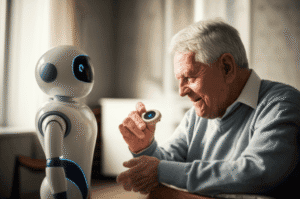
When an older family member steps out for a walk or a quick task, families want easy ways to know where they are and keep them safe. GPS trackers used to be fancy tools but turned into everyday helpers that fit into life like loyal sidekicks. Saying they are as important as droids shows how much these gadgets boost safety every day. This little trick brings peace of mind and protects loved ones without any hassle, making it smart to discover how these devices work and why they matter so much. Keep reading to find out how this simple tech can change everything for those who care the most.
This article looks at GPS trackers for seniors with a focus on real world use. You will find practical tips on choosing a device, examples of common scenarios, and straightforward guidance on maintenance and privacy. Read on for clear steps your household can take to add thoughtful monitoring without creating unnecessary complexity.
Senior Safety Solutions GPS Trackers As Essential As Droids Explained
Think of a well configured GPS tracker as a steady companion that quietly shares location updates and critical alerts. Most devices combine three elements, location reporting, emergency alerts, and battery indicators. Together these features allow family members to respond quickly when a senior wanders, has a medical event, or simply gets lost.
Devices come in different shapes. Some are small pendants to wear, others fit in pockets, and a few attach to mobility aids. The most effective solutions focus on ease of use for the older adult and clear notifications for family or caregivers. A simple wearable with a large SOS button can be more useful than a high feature model that is hard to operate.
Key Features to Look For in GPS Trackers for Older Adults
Choosing the right product means weighing features that matter in everyday life. Below are the attributes that commonly make a real difference.
- Reliable Location Updates Frequent, accurate position reports allow faster response if a senior is lost or confused. Aim for devices that refresh in short intervals and show historical tracks.
- Easy Contact Options One touch alerts to reach family, emergency services, or a monitoring center reduce response time. Make sure the button is large and clearly labeled.
- Geofencing Creating safety zones around home or neighborhood generates automatic alerts when a device crosses a boundary. This is helpful for early detection of wandering.
- Battery Life and Alerts Long battery life reduces maintenance tasks. Low battery notifications sent to family members prevent lapses in monitoring.
- Wearability Comfortable, discreet devices are worn consistently. Consider water resistance and attachment method when selecting a model.
- Subscription and Cost Many trackers require a monthly plan. Compare plans for data limits, call support, and international coverage if travel is likely.
How to Integrate a GPS Tracker into a Care Routine
Adding a tracker is most effective when it fits a simple routine that the senior and family can maintain. Below are practical steps to make that integration smooth.
- Choose a model with an easy start up procedure. Test it together while in the house and in nearby locations before relying on it for extended time.
- Set geofences for common routes like the grocery, park, or community center. Share geofence alerts with primary contacts only so notifications do not become overwhelming.
- Schedule brief weekly checks on battery and updates. Put a reminder on a calendar to inspect the tracker and practice pressing the SOS button so the senior feels comfortable.
- Agree on a response plan. Decide who will call first, who will come to the senior, and when to contact emergency services. Clear roles reduce delay when a notification occurs.
Privacy and Data Security Concerns with Location Devices
Location tools collect personal data. Families should take steps to protect privacy without sacrificing safety. Start by reviewing the device provider privacy policy and data retention rules. Choose companies that limit data sharing and provide secure login methods.
Permissions and Sharing
Limit location sharing to trusted contacts. Many platforms let you control who sees real time location and who receives emergency alerts. Keep the number of shared users small to reduce exposure.
Account Security Tips
Use a unique email for the tracker account and enable strong passwords. Avoid reusing passwords used on other services. If possible, enable two factor verification for the account that holds location data.
Real World Examples and Use Cases
Concrete scenarios help families see value quickly. Below are examples drawn from everyday situations.
- Wandering Detection A tracker triggered an alert when a senior left a supervised activity and walked toward a busy road. Family saw the location, redirected a neighbor to intercept, and called the senior back, avoiding a dangerous situation.
- Medication Related Confusion After mixing medicines, a senior became disoriented and left home at night. Location history helped responders find a safe public place nearby and return the person home.
- Travel Companion While on a family outing to a crowded event, a tracker with loud SOS tone helped reunite a senior who had become separated from the group within minutes.
Comparing Popular Tracker Types for Older Adults
There are a few common device categories. Selecting one depends on daily life, mobility, and technology comfort.
- Wearable Pendants Easy to wear around the neck, pendants often include a single large SOS button. They are simple and usually weather resistant.
- Pocket Trackers Small devices designed to fit in a pocket or bag. They can offer longer battery life though they depend on the device being carried consistently.
- Phone Apps If a senior carries a phone, apps give rich data and messaging. The downside is reliance on the senior carrying and charging the phone.
- Fall Detection Devices Models that estimate falls use movement sensors. They can call for help automatically if a hard impact is detected. These are useful when falls are a known risk.
Practical Tips for Choosing and Maintaining a GPS Tracker
Small habits help keep a system dependable. Here are field tested tips to get the most from a device.
- Buy from a reputable provider and read recent user reviews focused on battery and location accuracy.
- Perform a neighborhood test that includes routes the senior actually uses. Note any dead zones or delays in reporting.
- Keep a charging station in the same room and link charging to a daily routine such as breakfast time. A physical habit reduces chances of missing a charge.
- Label chargers and store a spare battery or backup unit if the device allows quick swaps.
- Train the senior in how to press the SOS button and interpret any audible signals. Practice a mock alert so everyone knows what to do.
For those interested in hardware and service comparisons, this article gives a useful product roundup and discussion on monitoring programs where family members can choose from self monitored plans or professional call centers, view details and learn more about options and costs.
Costs and Subscription Considerations
Trackers typically have two cost elements, the initial device and the recurring service plan. Plans vary in price depending on data volume, number of contacts, and value added services like live monitoring. Look at total annual cost before committing and consider whether a 12 month plan offers a better rate than month to month enrollment.
Family budgets can be managed by choosing plans that limit premium features if those functions are not needed. For example, if a senior rarely leaves a small neighborhood, a device with less frequent reporting may be acceptable and cheaper. Conversely, frequent travel or complex medical needs may justify a higher tier plan for faster updates and extra support.
How to Discuss a Tracker with an Older Loved One
Introducing a tracking device can be sensitive. Frame the conversation around safety and autonomy. Explain how the device works, that it can be switched off if desired, and what happens when an alert is triggered. Emphasize that the goal is to reduce risk while keeping the senior in control whenever possible.
Offer a trial period and invite the senior to test it on one short outing. Feedback from the person wearing the device helps identify comfort issues or button placement problems. Respect their concerns and adjust the choice of device if needed. Involving the older adult early builds acceptance and reduces resistance.
GPS trackers are not a cure all, however they do provide a practical layer of protection that families can use to reduce response time and coordinate help. Used thoughtfully, these devices allow seniors to keep moving in their communities while giving families clearer options for safe intervention. If you want hands on guidance, try a short trial of a recommended model and set up a simple geofence with a primary contact list. Small steps make monitoring manageable and meaningful. Take action by choosing a device that matches daily routines, set up alerts with a limited set of contacts, and schedule regular checks to keep the system working.
Conclusion
GPS trackers for older adults function as simple guardians that share location and emergency signals when situations occur. They work best when the device fits the senior lifestyle and family members agree on how alerts will be handled. From choosing wearability to setting geofences and account security, the right approach combines practical tools with clear roles for family members and caregivers. Regular testing, a modest response plan, and strong account passwords keep tracking reliable without interference. If you are weighing options, start with a wearable that offers one touch alerts, test it together in familiar places, and commit to a weekly battery check. This approach reduces surprises and makes technology a quiet support for daily life. Now take the next step by researching models that match your needs and setting a trial period for hands on experience. A little planning now can pay off when timely location information helps keep a loved one safe.