
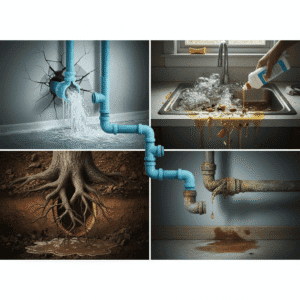
Plumbing damage can start small and then become a stubborn and costly problem. A slow drip, a faint stain on a ceiling, or a toilet that runs are early signs that something in the system is not right. Ignoring those warning signs often leads to bigger trouble that affects walls, flooring, and indoor air quality.
This article walks through the common causes of plumbing damage so you can spot issues early and take practical steps to protect your home. I cover typical failure points, real world examples, simple inspection tips you can do yourself, and guidance on when it is time to call a professional.
Age and material wear that cause pipe failure
Pipes and fixtures do not last forever. Over decades small cracks, pinhole leaks, and worn seals appear. Older homes often have piping made of materials that degrade faster than modern alternatives. For example, galvanized steel and polybutylene have known life span issues. Copper can last a long time, yet it can still develop pinhole leaks when water chemistry is aggressive.
Signs to watch for include unexplained drops in water pressure, discoloration in water, and rust stains around visible pipes. When several fittings start to show leaks, the hidden sections of the system may be close to failure too. Replacing aging pipe sections before they fail saves money compared with repairing water damage. When you assess a property for long term care plan the cost of partial upgrades against potential repair bills.
Corrosion and mineral buildup inside plumbing
Corrosion eats away at metal pipes. Hard water deposits create scale that narrows pipe diameter. Both processes reduce flow and create stress points that lead to leaks. Areas of slower flow such as elbows and joints are especially vulnerable. Over time mineral layers can trap debris. That increases pressure and reduces the effective life of appliances and fixtures.
Recognizing corrosion and scale
Look for green or blue stains on copper, orange or brown staining on iron, and grainy deposits around faucets and showerheads. Hot water heaters that require frequent flushing often show sediment at the bottom of the tank. Low flow from faucets despite normal mains pressure can indicate internal narrowing from scale.
Practical steps to limit damage
- Install a water softener if your analysis shows high mineral content. That slows scale buildup across the system.
- Flush water heaters annually to remove sediment that accelerates rust and makes tanks fail early.
- Replace short sections of heavily corroded pipe before surrounding pipe fails.
Blockages created by grease hair and foreign objects
Clogs are a major and common source of damage. When waste cannot pass through a drain, pressure builds. Pipes can leak at joints or burst in extreme cases. Kitchen drains clogged with grease are a frequent culprit. Grease looks liquid when hot and solidifies later inside pipes. Bathroom drains become clogged with hair combined with soap scum. Toilets are damaged by flushing inappropriate items such as wipes, feminine products, or large amounts of paper.
Everyday prevention habits
- An easily installed strainer in every sink and shower catches hair and food waste before they enter the plumbing.
- Never pour cooking grease down the drain. Wipe pans with a paper towel and dispose of waste in the trash or recycle when possible.
- Limit what is flushed to human waste and toilet paper. Products labeled flushable often do not break down quickly and can create blockages.
Safe ways to clear clogs
For minor sink clogs a plunger or a hand auger is a safe first tool. Avoid repeated chemical drain cleaners because they can damage pipe coatings and aggravate existing weak spots. For stubborn clogs or repeated backups call a professional with a camera inspection tool. That identifies the location and cause without unnecessary digging or cutting.
Tree roots and external pressures on sewer lines
Sewer lines located under yards face pressure from shifting soil and invasive tree roots. Roots are attracted to the moisture in small cracks and seams. Once roots enter a pipeline they grow and form dense mats that restrict flow. Heavy equipment, soil settlement, and repeated freeze thaw cycles can move ground enough to misalign joints and create new entry points for roots and debris.
If sewage odors appear in the yard or toilets gurgle when sprinklers run, that points to a sewer line issue rather than a simple fixture leak. Catching these signs early avoids excavation of large areas and extensive restoration work.
High water pressure and sudden temperature changes
Water pressure that is too high stresses seals and joints. Valves wear out faster and fittings vibrate loose. Household water pressure should usually fall between forty and sixty psi. A simple gauge attached to an outdoor spigot tells you where the pressure stands. Persistent pressure above sixty psi shortens the life of appliances and increases the chance of a sudden failure.
Thermal shock is another risk. Rapid temperature changes occur when plates in tankless heaters fail or when hot and cold supply mix poorly. These shifts cause materials to expand and contract which can create leaks at fittings and soldered joints over time.
Poor installation and incorrect repairs
Improperly installed piping and shortcuts during past repairs show up later as major failures. Common errors include incorrect pipe sizing, mismatched materials, and fittings that were not tightened or sealed to code specifications. DIY repairs sometimes solve an immediate leak but leave weaknesses that worsen under pressure.
Plumbing connections around appliances, for example washing machines and dishwashers, often get overlooked. Flexible supply lines should be checked for bulging, cracking, or rust at the connectors. Replacing worn flexible connectors is a low cost prevention step that can prevent water damage from a sudden failure.
Routine maintenance checklist and when to call professional help
Regular check ups catch small problems before they cause major damage. A simple seasonal checklist helps. Inspect visible pipes for damp spots. Run faucets and watch for slow drains. Check the area around the base of water heaters and under sinks for moisture. Test water pressure with a gauge and listen for unusual sounds when valves operate.
For issues outside your comfort zone call a trained service provider. A line level camera check, pressure test, and leak detection tools narrow down problems quickly. If you find multiple leaks, suspect sewer line issues, or see signs of structural water damage reach out to a licensed company with the right equipment and permits. For residents who prefer professional help local plumbing repair experts can perform detailed inspections, recommend repairs, and carry out restoration work with warranties.
Cost effective maintenance tasks you can do
- Flush the water heater once per year to remove sediment and prolong the tank life.
- Check for slow drains monthly and clear strainers as needed.
- Test and adjust water pressure with an inexpensive gauge and a pressure regulating valve if required.
When a call to a professional is necessary
Schedule professional help when you find hidden leaks, smell sewer gas, experience repeated backups, or detect a sudden change in water pressure. Complex cases such as collapsed sewer lines, extensive corrosion, or damaged foundation plumbing require specialized repair methods. Professional diagnosis prevents unnecessary repairs and focuses resources on long term solutions.
Protecting home plumbing starts with observation and follow through. Watch the signs and take small preventive steps on a schedule so you reduce the odds of sudden failure. When a repair becomes too complicated for routine tools a qualified plumber brings the experience and tools to resolve the cause and limit collateral damage. Acting early saves money and prevents the stress of emergency repairs.
Conclusion
Plumbing systems face a range of threats that include aging materials, internal corrosion, blockages, root intrusion, excessive pressure, and poor past repairs. Each cause has recognizable signs that homeowners can learn to detect. Simple habits reduce risk. Using strainers, avoiding grease and inappropriate items in toilets, flushing water heaters, and monitoring water pressure offer high return for small effort. When issues go beyond do it yourself solutions a professional inspection and repair is the right next step. If you are unsure what is happening under your floors or behind walls call a qualified service quickly. Prompt action prevents larger repairs and reduces the chance of mold and structural damage in the long term. Take one small step today and add two or three items from the maintenance checklist to your routine. If a problem appears that you cannot handle make the call for expert help and protect your home investment.